
This tutorial exists for these OS versions
- Debian 6 (Squeeze)
- Debian 5 (Lenny)
- Fedora 8
- Debian 4 (Etch)
- Fedora 6
On this page
The Perfect Desktop - Debian Lenny
Version 1.0
Author: Falko Timme
This tutorial shows how you can set up a Debian Lenny desktop that is a full-fledged replacement for a Windows desktop, i.e. that has all the software that people need to do the things they do on their Windows desktops. The advantages are clear: you get a secure system without DRM restrictions that works even on old hardware, and the best thing is: all software comes free of charge.
I want to say first that this is not the only way of setting up such a system. There are many ways of achieving this goal but this is the way I take. I do not issue any guarantee that this will work for you!
1 Preliminary Note
To fully replace a Windows desktop, I want the Debian Lenny desktop to have the following software installed:
Graphics:
- The GIMP - free software replacement for Adobe Photoshop
- F-Spot - full-featured personal photo management application for the GNOME desktop
- Google Picasa - application for organizing and editing digital photos
Internet:
- Firefox/Iceweasel
- Opera
- Flash Player 10
- FileZilla - multithreaded FTP client
- Thunderbird/Icedove - email and news client
- Evolution - combines e-mail, calendar, address book, and task list management functions
- aMule - P2P file sharing application
- Transmission BitTorrent Client - BitTorrent client
- Azureus/Vuze - Java Bittorrent client
- Pidgin - multi-platform instant messaging client
- Skype
- Google Earth
- Xchat IRC - IRC client
Office:
- OpenOffice Writer - replacement for Microsoft Word
- OpenOffice Calc - replacement for Microsoft Excel
- Adobe Reader
- GnuCash - double-entry book-keeping personal finance system, similar to Quicken
- Scribus - open source desktop publishing (DTP) application
Sound & Video:
- Amarok - audio player
- Audacity - free, open source, cross platform digital audio editor
- Banshee - audio player, can encode/decode various formats and synchronize music with Apple iPods
- MPlayer - media player (video/audio), supports WMA
- Rhythmbox Music Player - audio player, similar to Apple's iTunes, with support for iPods
- gtkPod - software similar to Apple's iTunes, supports iPod, iPod nano, iPod shuffle, iPod photo, and iPod mini
- XMMS - audio player similar to Winamp
- dvd::rip - full featured DVD copy program
- Kino - free digital video editor
- Sound Juicer CD Extractor - CD ripping tool, supports various audio codecs
- VLC Media Player - media player (video/audio)
- Real Player
- Totem - media player (video/audio)
- Xine - media player, supports various formats; can play DVDs
- Brasero - CD/DVD burning program
- K3B - CD/DVD burning program
- Multimedia Codecs
Programming:
- KompoZer - WYSIWYG HTML editor, similar to Macromedia Dreamweaver, but not as feature-rich (yet)
- Bluefish - text editor, suitable for many programming and markup languages
- Quanta Plus - web development environment, including a WYSIWYG editor
Other:
- VMware Server - lets you run your old Windows desktop as a virtual machine under your Linux desktop, so you don't have to entirely abandon Windows
- TrueType fonts
- Java
- Read-/Write support for NTFS partitions
Lots of our desired applications are available in the Debian repositories.
As you might have noticed, a few applications are redundant, for example there are two CD/DVD burning applications in my list (Brasero, K3B). If you know which one you like best, you obviously don't need to install the other applications, however if you like choice, then of course you can install both. The same goes for music players like Amarok, Banshee, Rhythmbox, XMMS or browsers (Firefox/Iceweasel, Opera).
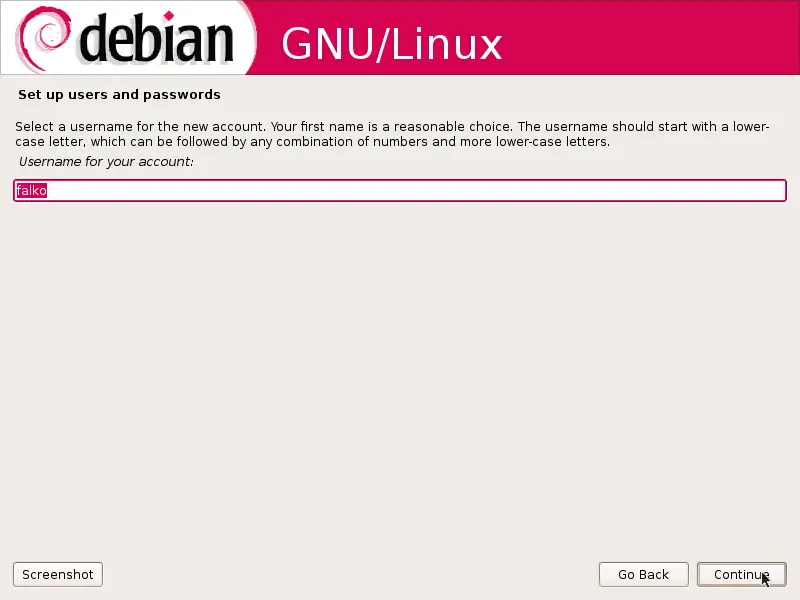
I will use the username falko in this tutorial, and I will download all necessary files to falko's desktop which is equivalent to the directory /home/falko/Desktop. If you use another username (which you most probably do ;-)), please replace falko with your own username. So when I use a command like
cd /home/falko/Desktop
you must replace falko.
2 Installing The Base System
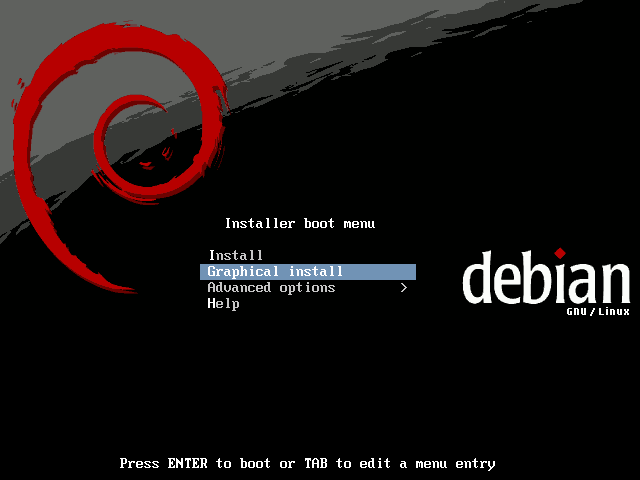
Download the Debian Lenny netinstall iso image (available here: http://cdimage.debian.org/debian-cd/5.0.0/i386/iso-cd/debian-500-i386-netinst.iso (i386) or http://cdimage.debian.org/debian-cd/5.0.0/amd64/iso-cd/debian-500-amd64-netinst.iso (x86_64)) , burn it onto a CD, and boot your computer from it. Select Graphical install:
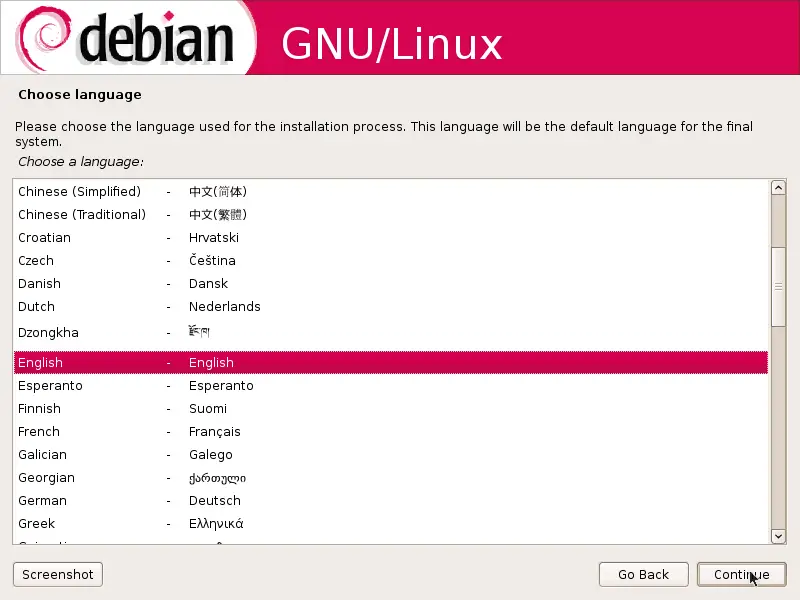
Choose your language:
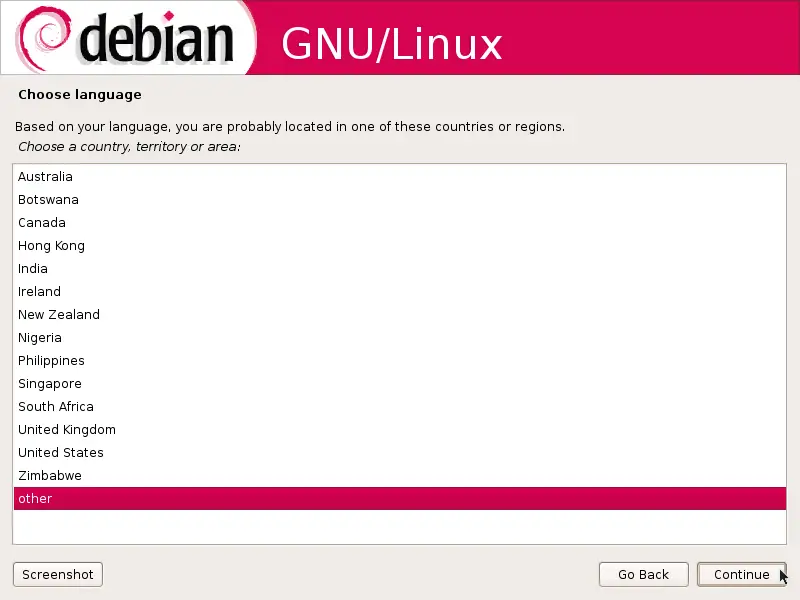
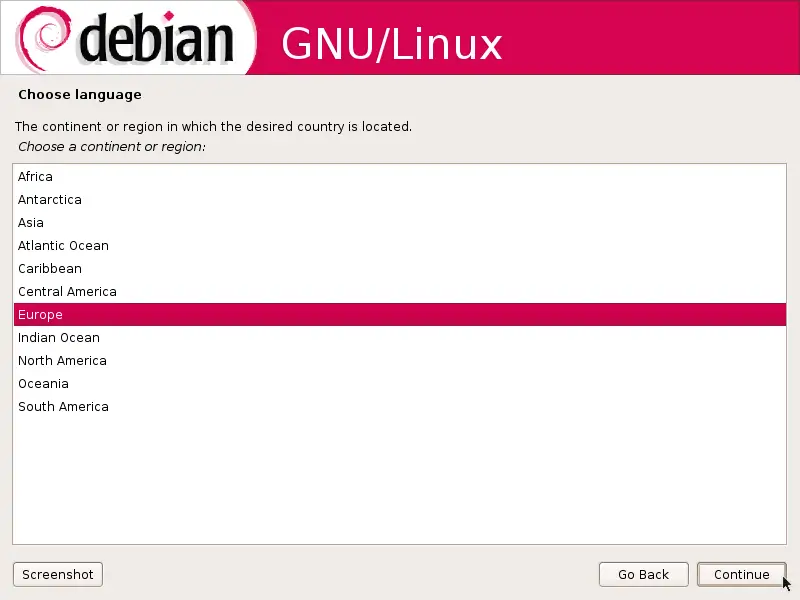
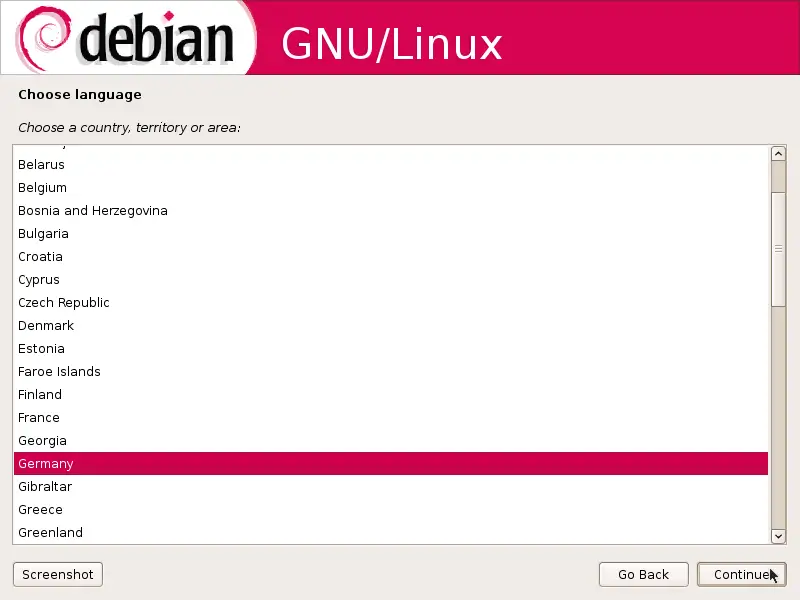
Then select your location:
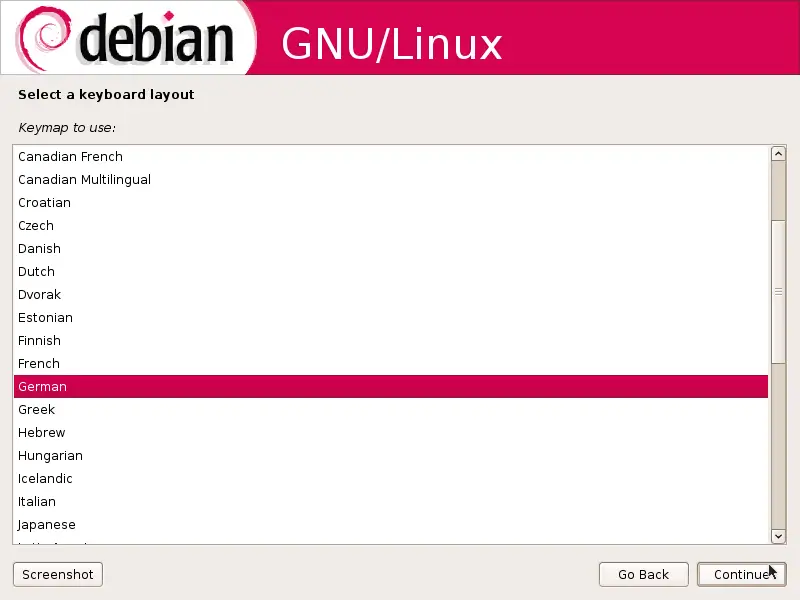
Choose a keyboard layout:
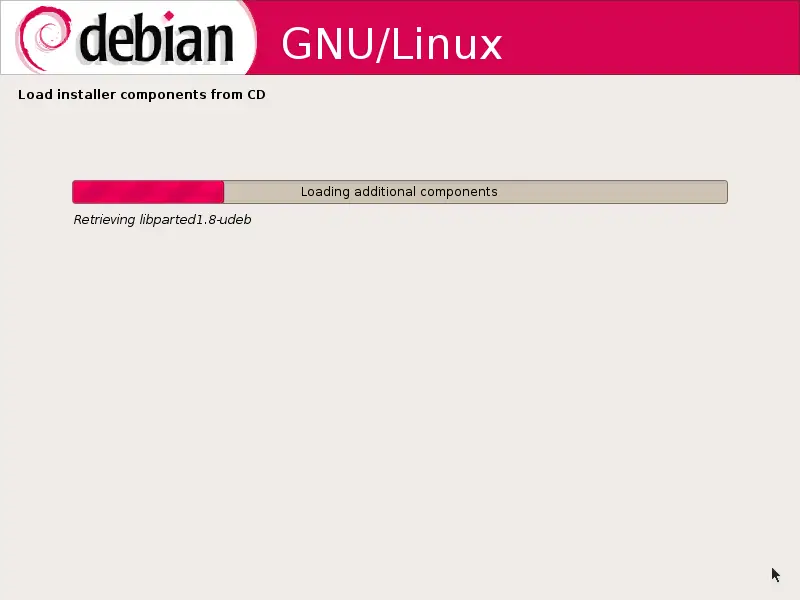
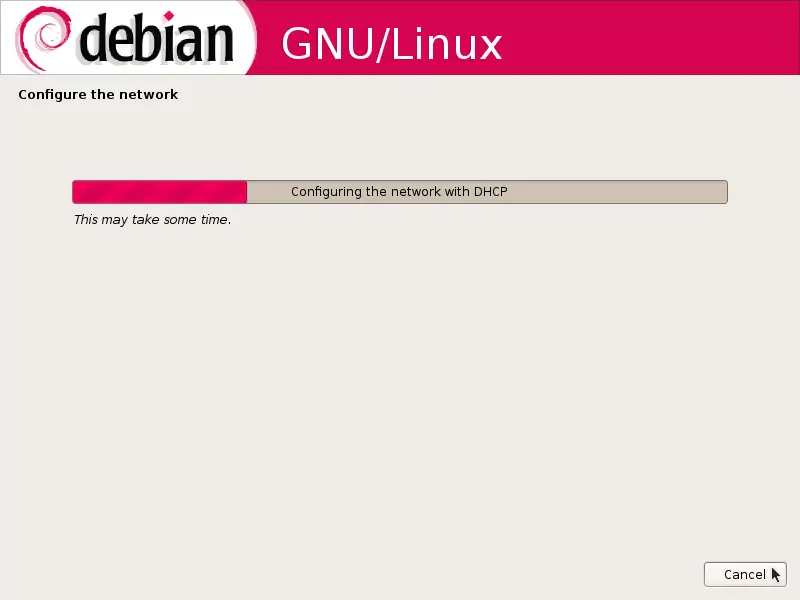
The installer checks the installation CD, your hardware, and configures the network with DHCP if there is a DHCP server in the network:
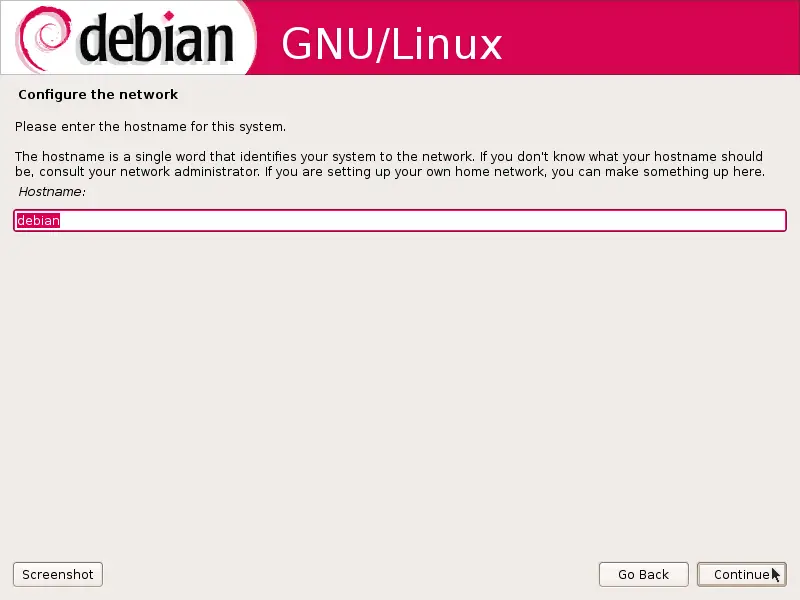
Since this is a desktop, you can accept the default hostname...
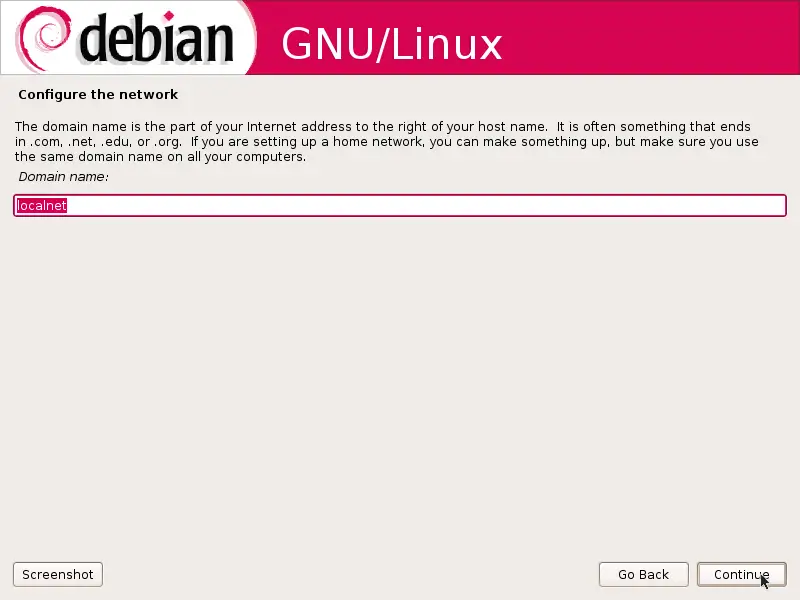
... and domain:
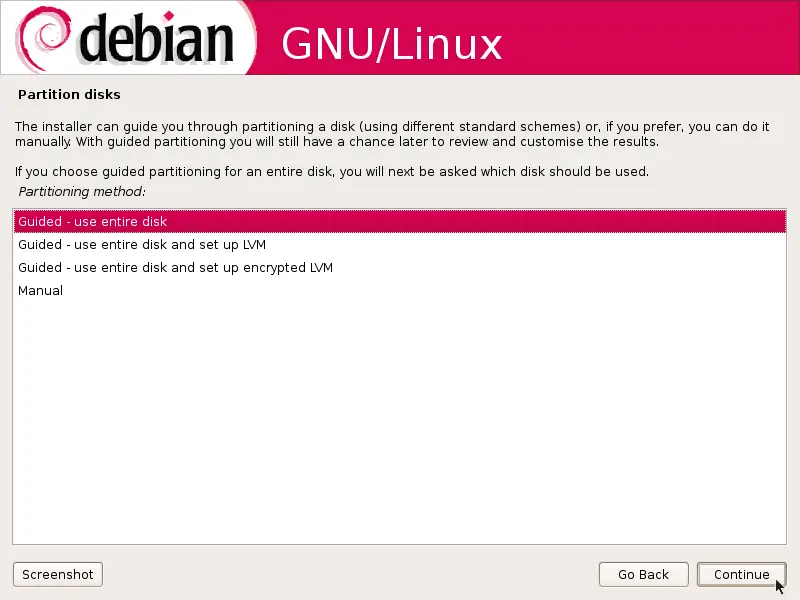
Now you have to partition your hard disk. For simplicity's sake I will create one big partition (with the mount point /) and a little swap partition so I select Guided - use entire disk (of course, the partitioning is totally up to you - if you like, you can create more than just one big partition, and you can also use LVM):
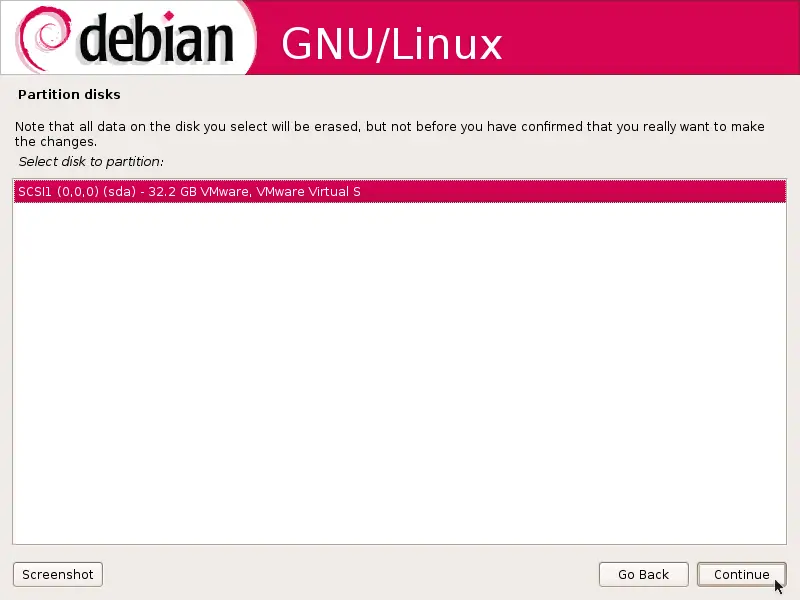
Select the disk that you want to partition:
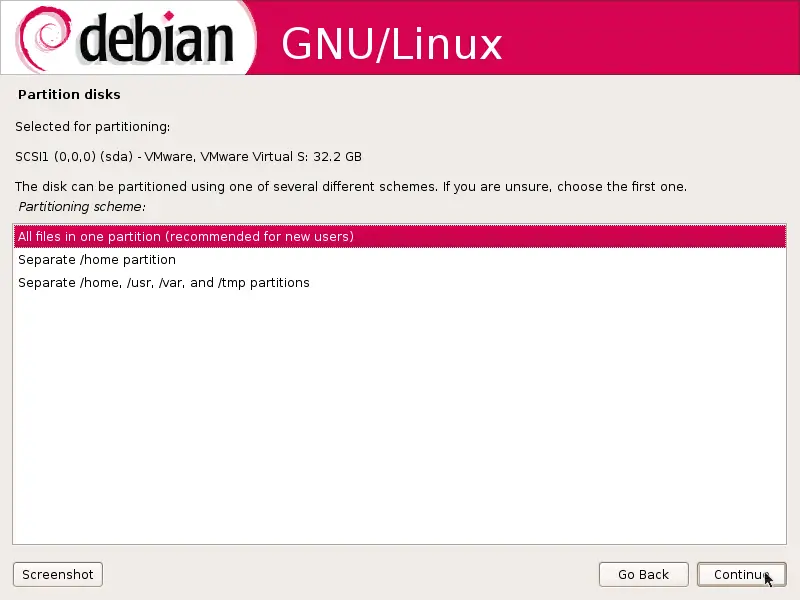
Then select the partitioning scheme. As mentioned before, I select All files in one partition (recommended for new users) for simplicity's sake - it's up to your likings what you choose here:
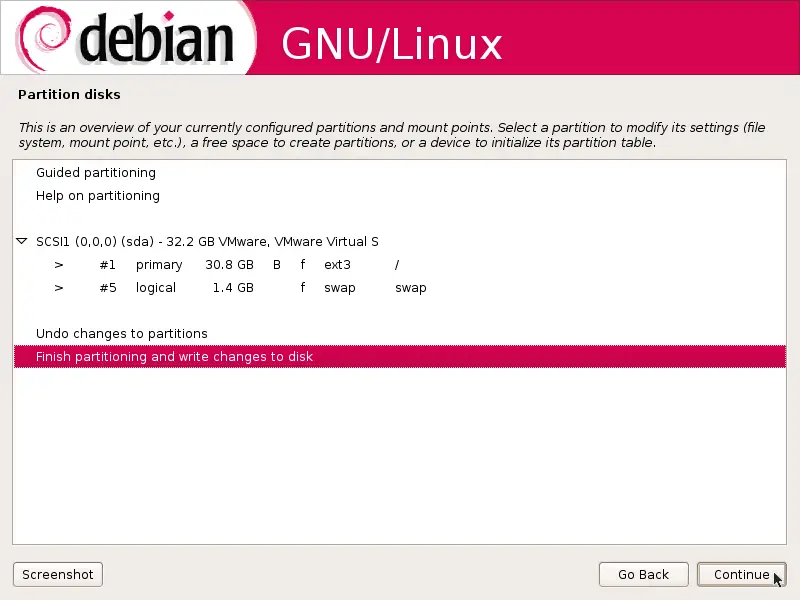
When you're finished, select Finish partitioning and write changes to disk:
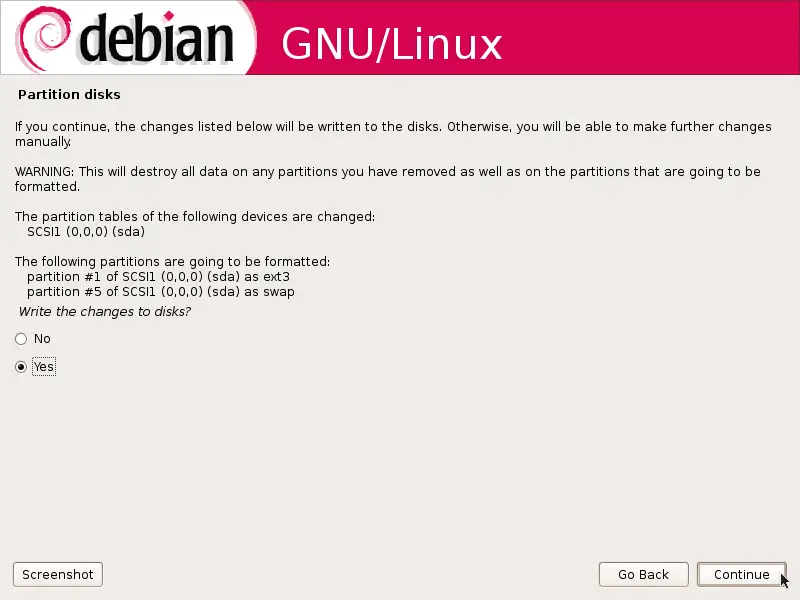
Select Yes when you're asked Write changes to disks?:
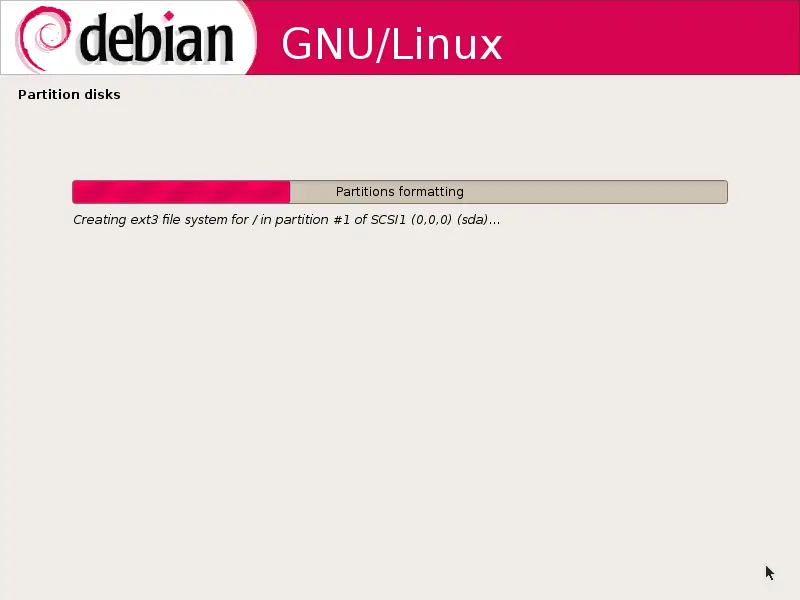
Afterwards, your new partitions are created and formatted:
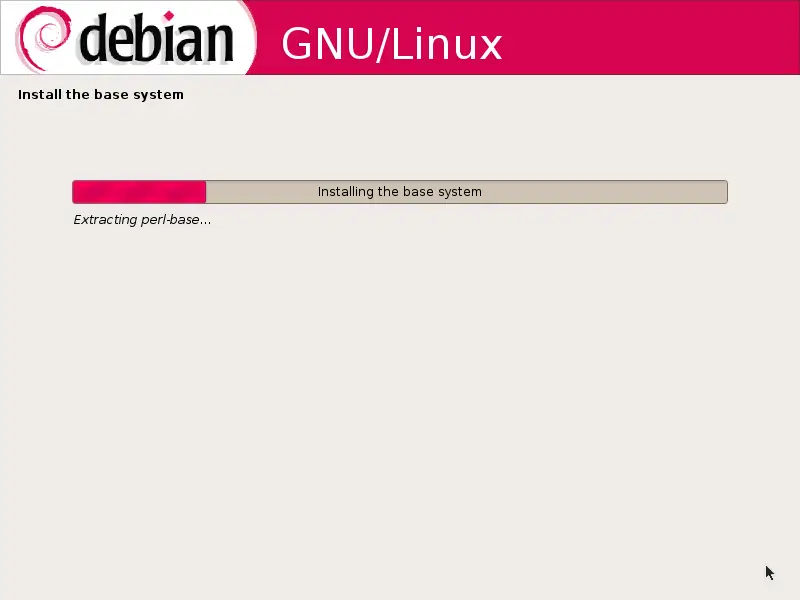
Now the base system is installed:
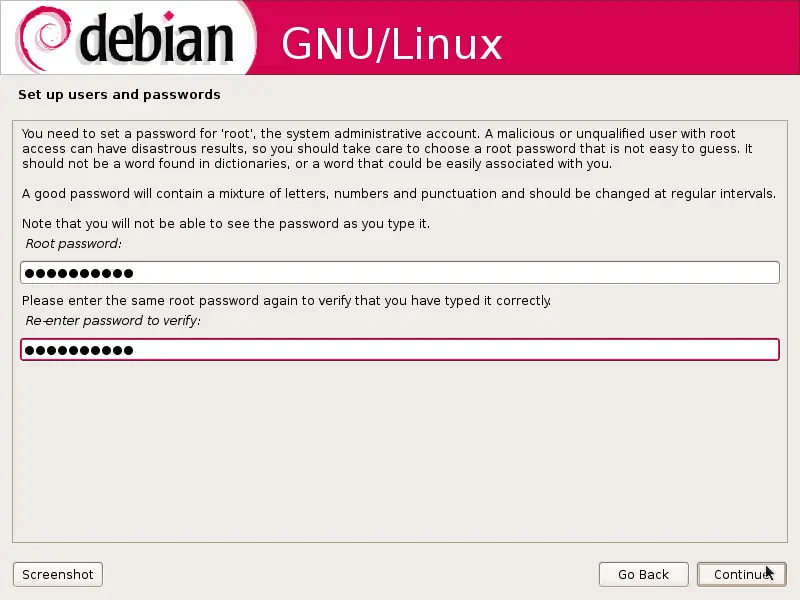
Afterwards, give the root user a password:
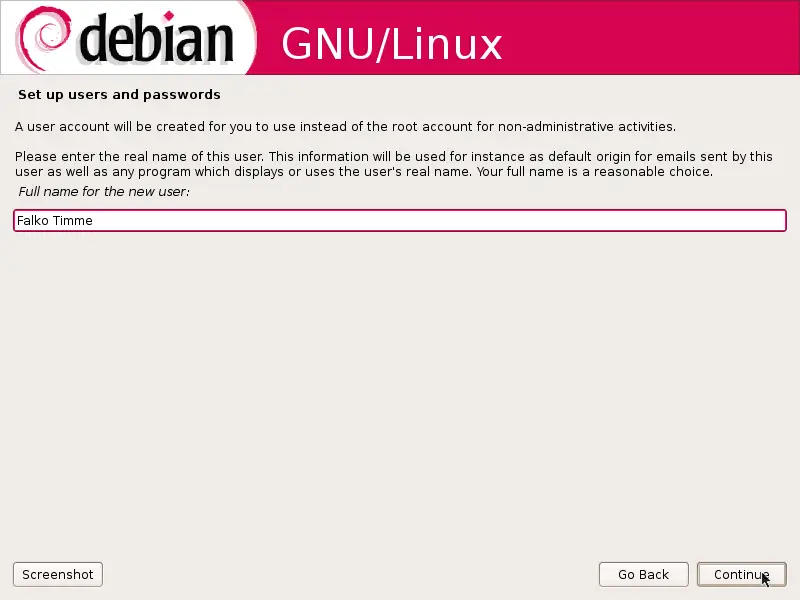
Create a normal user account:
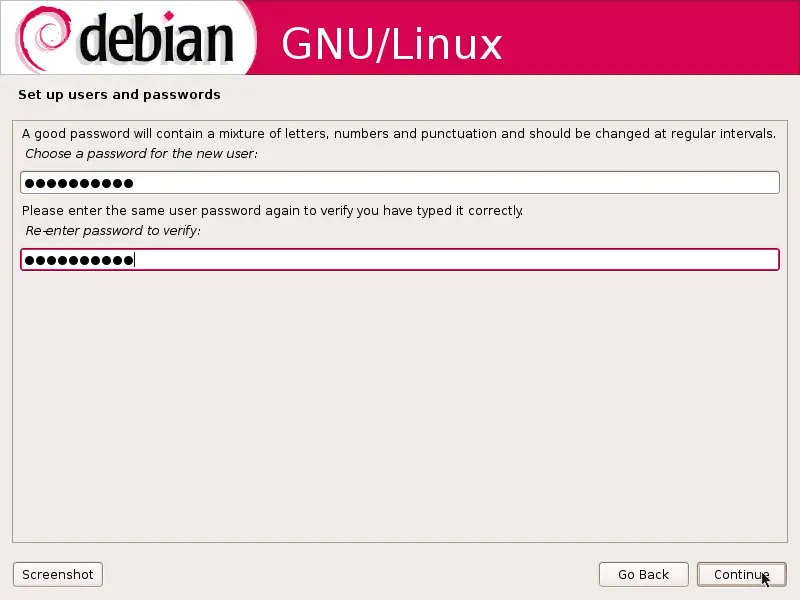
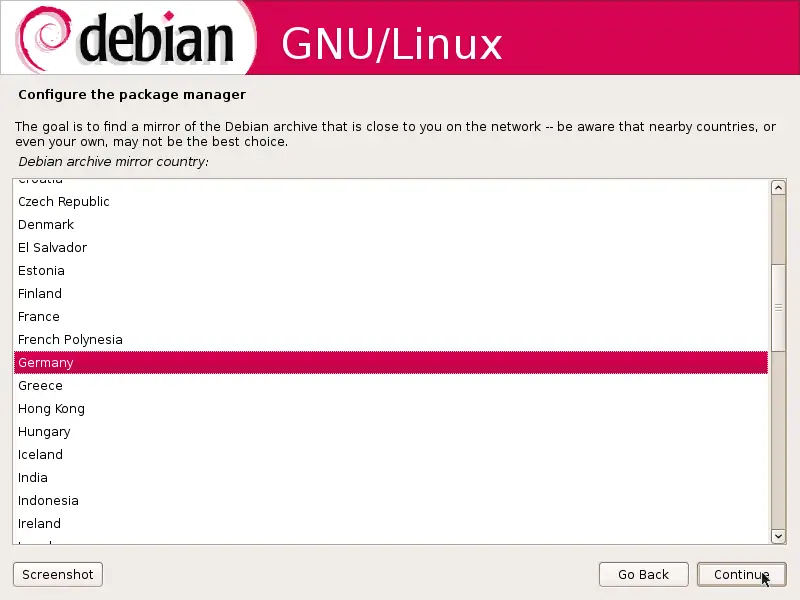
Next you must configure apt. Because you are using the Debian Lenny Netinstall CD which contains only a minimal set of packages, you must use a network mirror. Select the country where the network mirror that you want to use is located (usually this is the country where your Debian Lenny system is located):
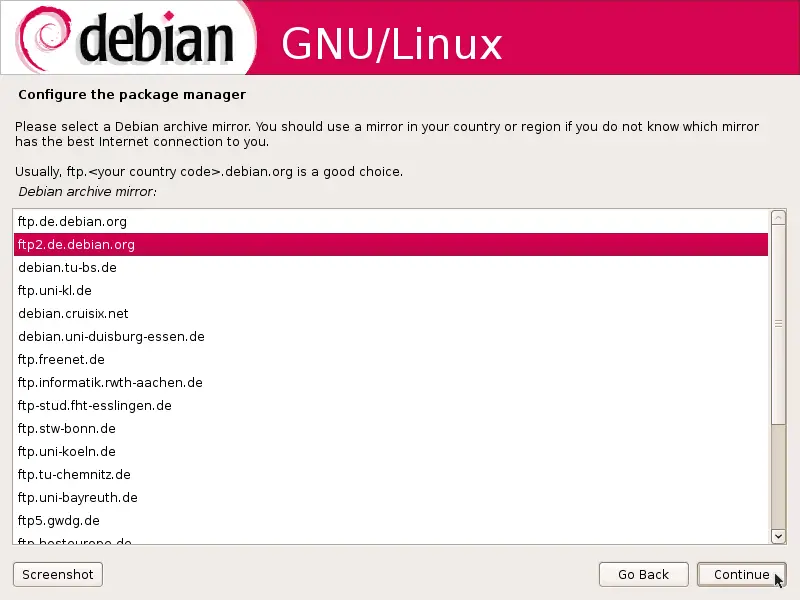
Then select the mirror you want to use (e.g. ftp2.de.debian.org):
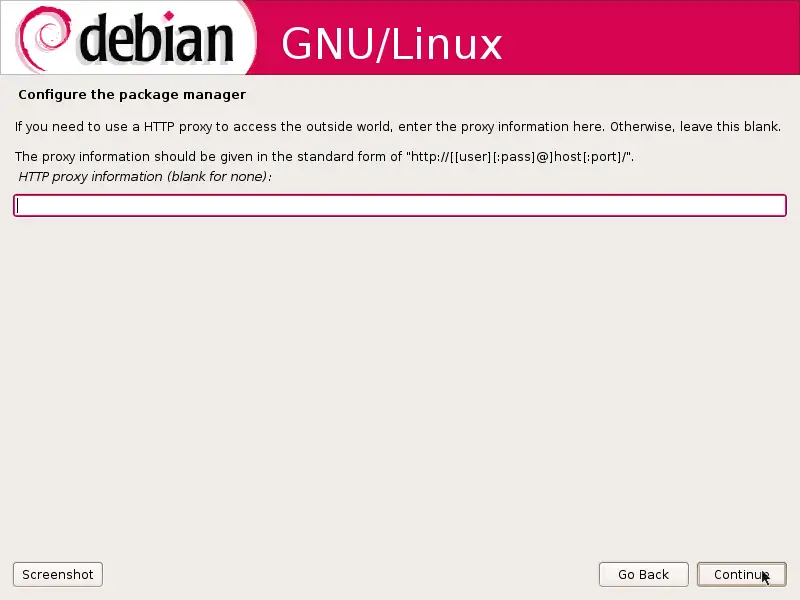
Unless you use an HTTP proxy, leave the following field empty and hit Continue:
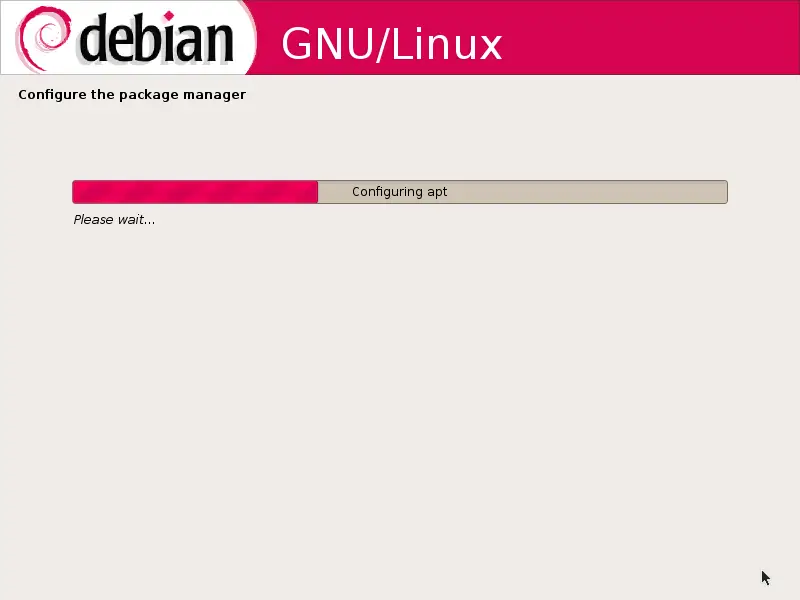
Apt is now updating its packages database:
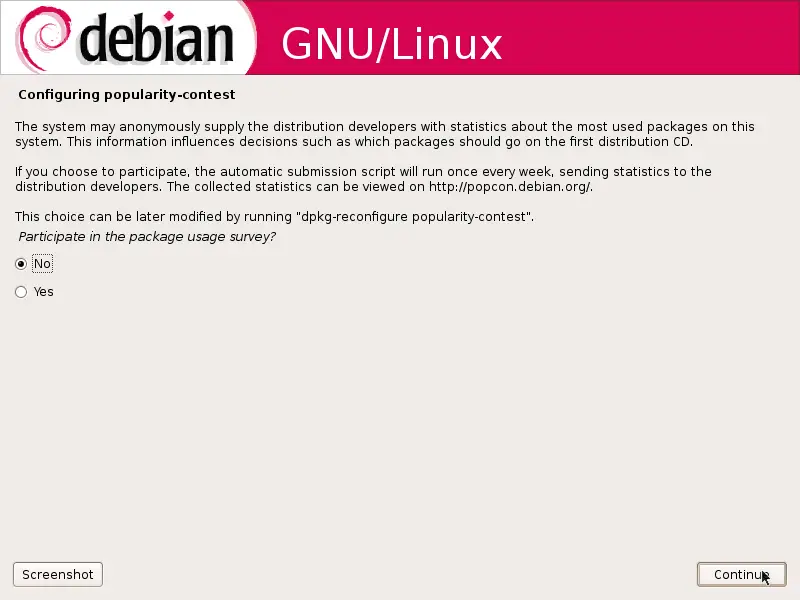
You can skip the package usage survey by selecting No:
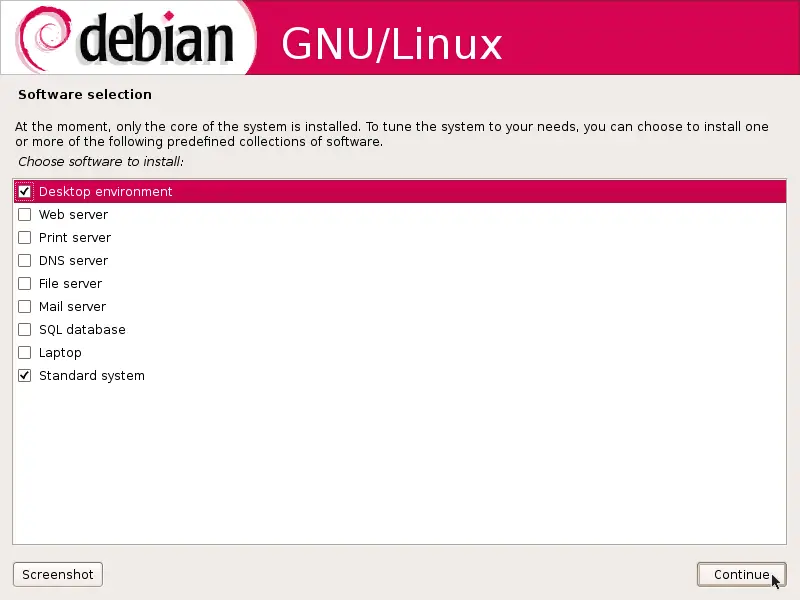
Select Desktop environment and Standard system on the Software selection screen and hit Continue:
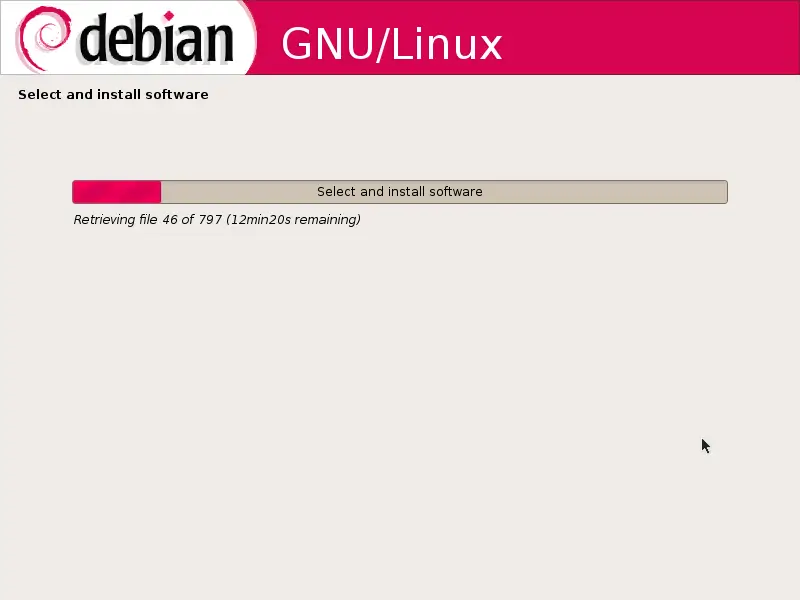
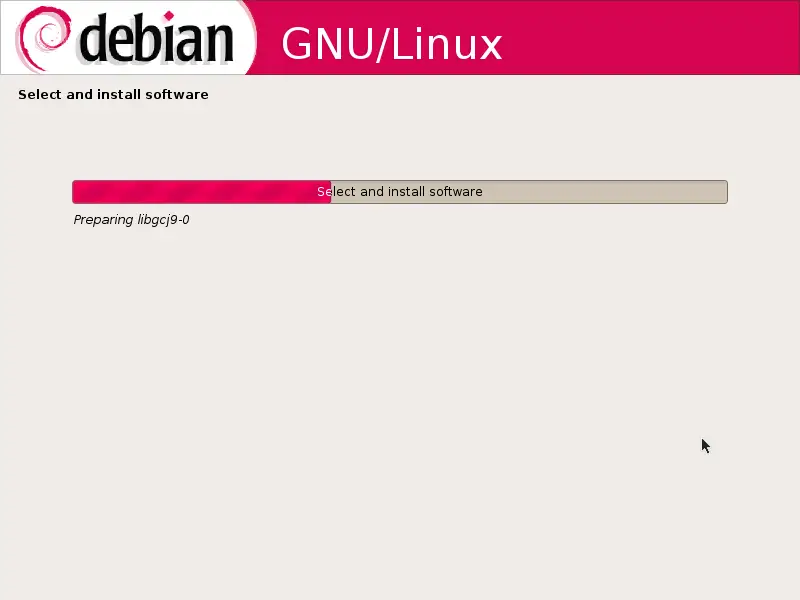
The required packages are downloaded and installed on the system:
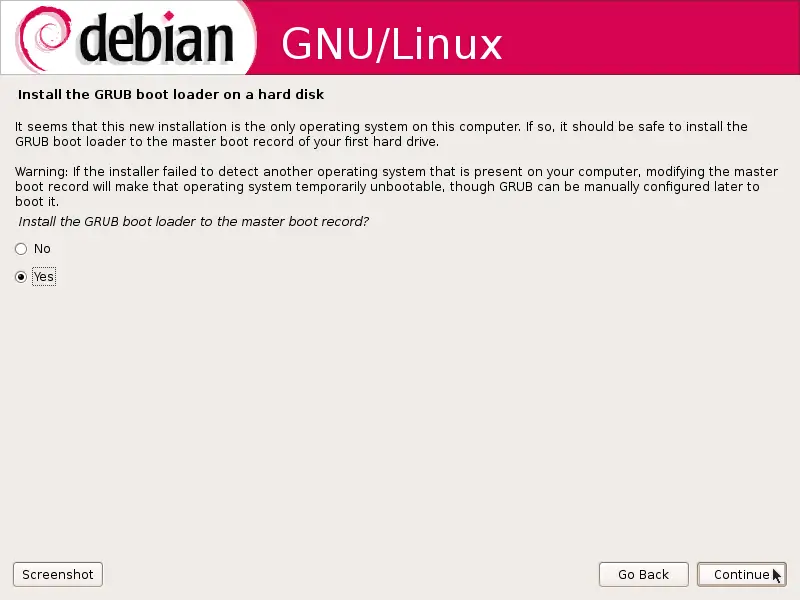
When you're asked Install the GRUB boot loader to the master boot record, select Yes:
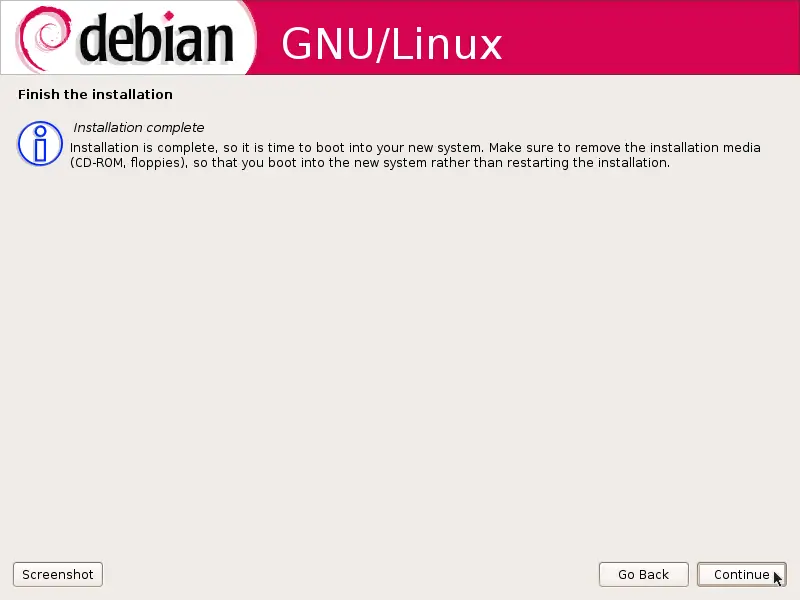
The base system installation is now finished. Remove the Debian Lenny Netinstall CD from the CD drive and hit Continue to reboot the system:
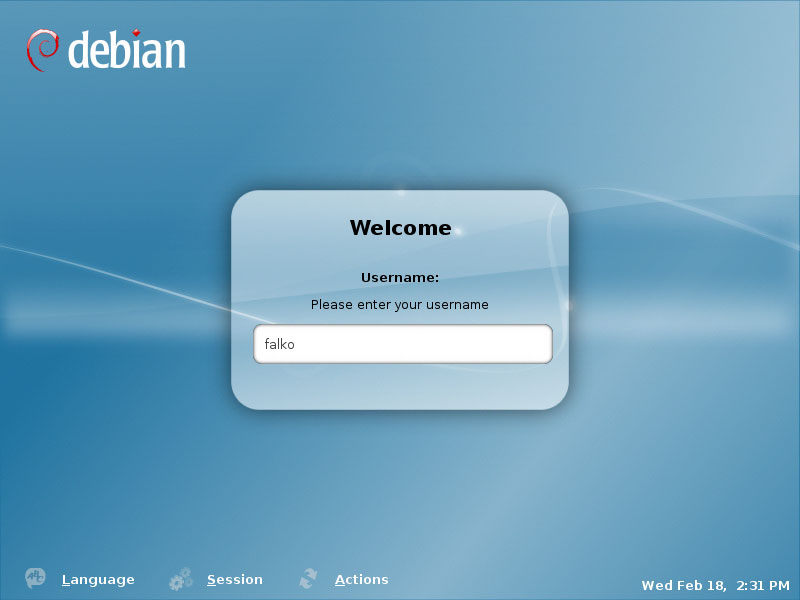
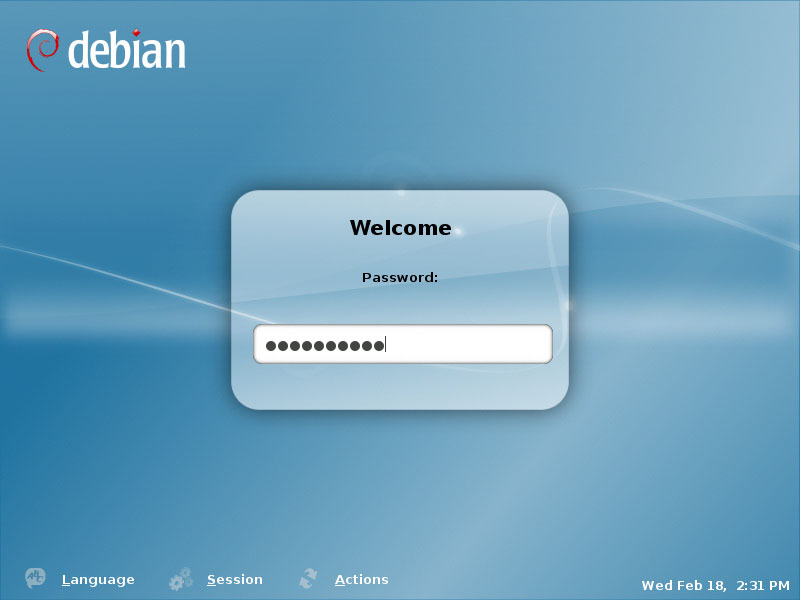
After the reboot, log in to the desktop with the username and password you provided during the installation:
This is how your new desktop looks:
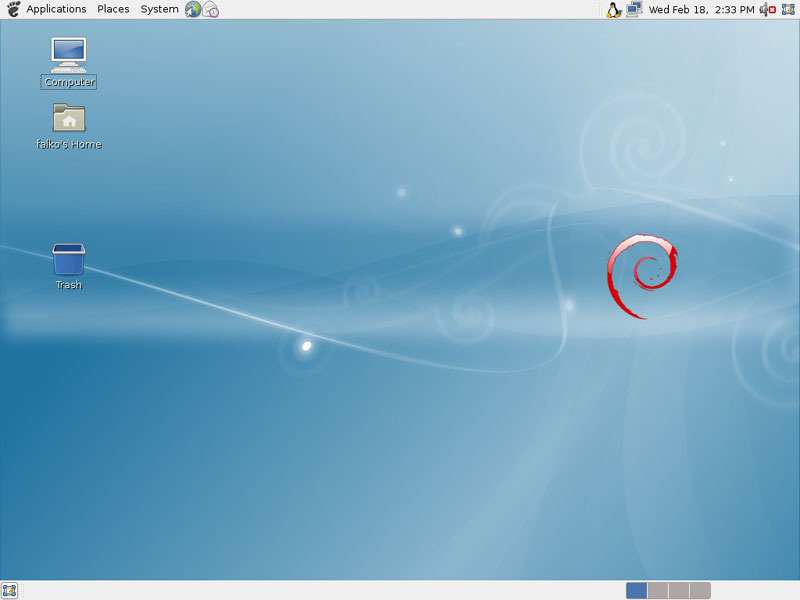
Now the base system is ready to be used.





